


Understanding gambling addiction Steps to raise awareness and support recovery
Defining Gambling Addiction
Gambling addiction, also known as compulsive gambling, is a behavioral disorder characterized by an overwhelming urge to gamble despite harmful consequences. Individuals with this addiction often find themselves prioritizing gambling over personal relationships, work responsibilities, and financial obligations. It is crucial to recognize that gambling addiction can affect anyone, regardless of age, gender, or socioeconomic status. Many look for effective methods to address their behaviors, such as discovering techniques like taya 365 that might aid in recovery.

The cycle of addiction often begins innocently, with casual gambling turning into a compulsive behavior. The thrill of winning can create a powerful urge to continue gambling, leading to a detrimental spiral that impacts mental health and overall well-being. Understanding the nature of this addiction is the first step toward raising awareness and fostering supportive environments for recovery.
Recognizing the Signs of Gambling Addiction
Identifying the signs of gambling addiction can be challenging, but awareness is essential for early intervention. Common indicators include a preoccupation with gambling, restlessness when attempting to cut back, and using gambling as an escape from stress or emotional pain. Those affected may also lie about their gambling habits and continue to gamble despite financial difficulties or legal problems.
It is important for friends and family to be vigilant and supportive. Open conversations about gambling behaviors can help individuals recognize the severity of their situation. By fostering an atmosphere of understanding rather than judgment, loved ones can encourage those struggling with addiction to seek help and engage in recovery efforts.
Steps to Raise Awareness
Raising awareness about gambling addiction is vital for prevention and support. Educational campaigns can provide valuable information about the risks and consequences of gambling. These initiatives can be targeted at schools, workplaces, and community centers, making resources accessible to those who may be affected.
Utilizing social media platforms can also amplify awareness efforts, as they allow for the sharing of personal stories and educational materials. Collaborating with local organizations that specialize in addiction can enhance outreach programs, ensuring that those in need are informed about available resources and support services.
Supporting Recovery from Gambling Addiction
Recovery from gambling addiction is a multi-faceted process that often requires a combination of professional help and personal commitment. Therapy and counseling play crucial roles in addressing underlying issues and developing healthier coping mechanisms. Support groups, such as Gamblers Anonymous, provide a sense of community and shared experience, which can be invaluable during recovery.
Encouraging individuals to seek help and stay connected with their support systems is key. Family and friends can play an active role in the recovery process by offering emotional support and understanding. Creating a structured environment that limits gambling opportunities can also be an essential part of maintaining long-term sobriety.
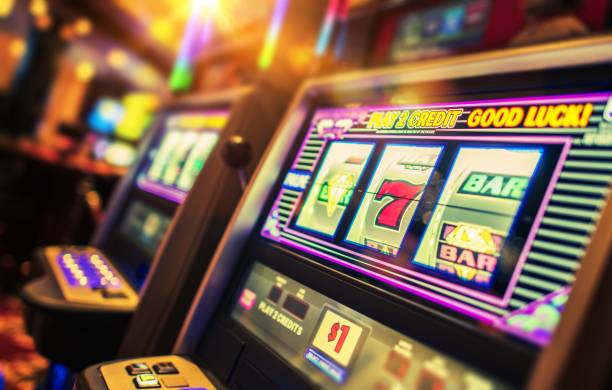
Learn More About Gambling Addiction Support
Our website serves as a comprehensive resource for individuals seeking information on gambling addiction and recovery. We provide educational articles, personal stories, and links to support organizations that can help those affected by this issue. By creating a platform for open dialogue and shared experiences, we aim to foster a community of support and understanding.
In addition to offering resources, our website encourages visitors to engage in discussions and share their journeys. Together, we can raise awareness and promote recovery from gambling addiction, ultimately helping individuals reclaim their lives and well-being.


