


The silent pull of chance Understanding the psychology behind gambling behavior
The allure of uncertainty
The excitement of gambling often stems from its inherent uncertainty. People are naturally drawn to situations where the outcome is unpredictable, which taps into basic psychological instincts. This attraction is heightened by the thrill of risk and the potential for reward, making the act of gambling a unique blend of hope and anxiety. The brain’s reward system is activated in these scenarios, releasing dopamine, a neurotransmitter associated with pleasure, creating an enticing cycle that keeps individuals returning to the gaming table or slot machine. For those exploring a variety of options, we recommend checking out bitcoin betting sites that cater to diverse preferences.
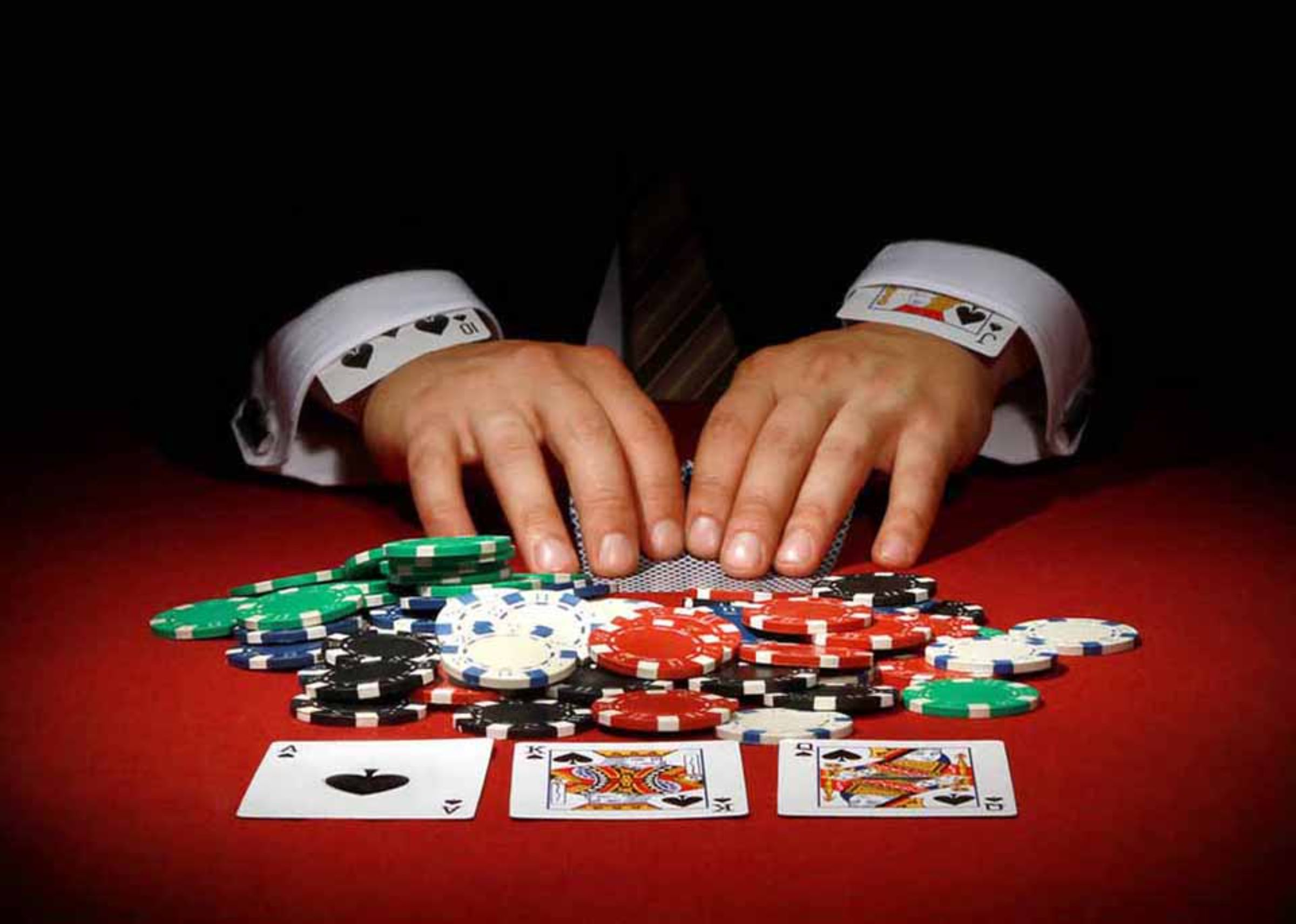
Moreover, the allure of uncertainty is not limited to mere chance; it encompasses the social environment of gambling. Many individuals gamble in group settings, such as casinos or sports betting events, where the collective excitement can amplify the experience. This social reinforcement can make the gamble feel even more worthwhile, as the joy or disappointment is shared among peers, adding a layer of community to the experience.
Cognitive biases in gambling
Cognitive biases play a significant role in gambling behavior, often leading individuals to make irrational decisions. One of the most prevalent biases is the illusion of control, where gamblers believe they can influence random outcomes through skill or strategy. This belief can result in players overestimating their chances of winning, especially in games of chance like slots or roulette. Addressing these biases is essential for responsible betting.
Another common cognitive bias is the gambler’s fallacy, which is the mistaken belief that past events will affect future outcomes. For instance, a player might think that a particular number in roulette is “due” to win after a series of losses. These biases distort rational thinking, ultimately trapping players in a cycle of behavior that can lead to increased gambling activity and potentially problematic gambling habits.
The emotional rollercoaster of gambling
Gambling triggers a wide range of emotions, from exhilaration during a win to despair during a loss. This emotional rollercoaster is one reason why many individuals are drawn to gambling. The highs of winning can create a powerful addiction, as people chase the euphoric feelings associated with success. However, the lows can also lead to deep frustration and sadness, contributing to a complex emotional landscape that gamblers navigate.
Understanding this emotional dynamic is crucial for recognizing how it impacts gambling behavior. Gamblers may find themselves returning to the game not just for financial gain, but in pursuit of emotional highs that can temporarily alleviate stress or dissatisfaction in other areas of their lives. This can create a harmful feedback loop, where the need for emotional fulfillment perpetuates gambling activities, often leading to compulsive behavior.
Strategies for responsible gambling
In light of the psychological factors that drive gambling behavior, it becomes essential to implement strategies for responsible gambling. Setting limits on time and money spent is a critical step in maintaining a healthy relationship with gambling. By establishing boundaries, individuals can enjoy the thrill without falling into the traps of addiction.
Additionally, seeking support from friends, family, or professional counseling can be beneficial for those struggling with gambling-related issues. Open conversations about gambling can help demystify the behavior, making it easier to address potential problems. Awareness and education about the psychological aspects of gambling can empower individuals to make more informed choices, fostering a safer and more enjoyable experience.

Exploring resources for informed gaming
For those interested in understanding gambling behavior further, numerous resources are available that provide insight into responsible gambling practices. Websites dedicated to gambling education often offer tools and information that can assist individuals in making informed choices. These platforms typically focus on promoting awareness of the risks associated with gambling and highlight strategies for enjoyment without compromising well-being.
Additionally, many online communities provide a supportive environment for discussing experiences and challenges related to gambling. Engaging with these communities can offer valuable perspectives and foster accountability, helping individuals navigate their gambling journeys more effectively. By leveraging these resources, players can cultivate a healthier approach to gaming, balancing enjoyment with responsibility.


