


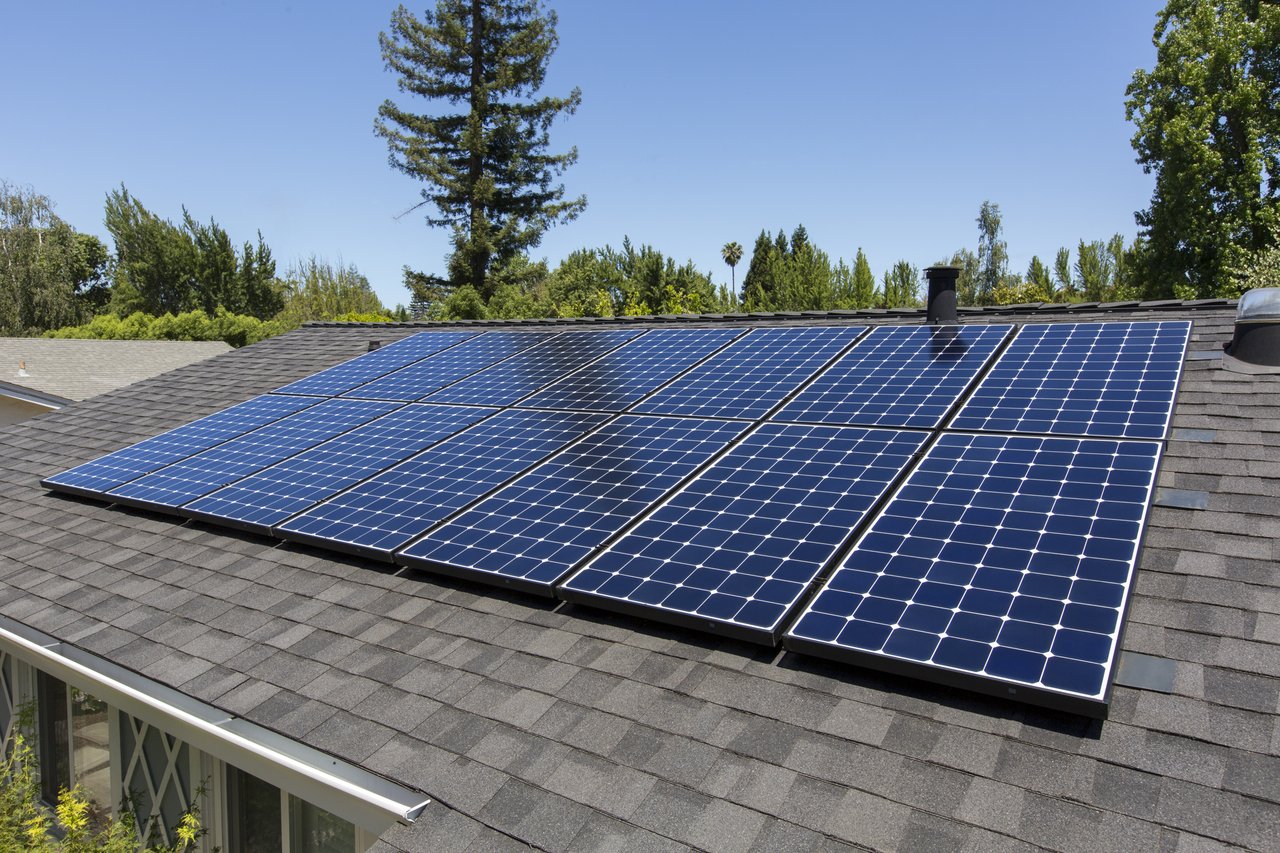


Making the switch to a Stand Alone Power supply system is a great way to reduce your energy bills and increase your home’s energy efficiency. Stand alone power systems provide you with reliable and cost-effective energy, independent from the grid. This guide will explain the advantages of stand-alone power systems, how to choose the best one for your home, and the different types of stand-alone power system batteries available. Whether you’re looking to reduce your energy costs or increase your home’s energy efficiency, this guide has you covered.
Understanding Stand Alone Power Systems
Stand Alone Power Systems (SAPS) are also known as off-grid or remote power systems. They are designed to provide power to properties that are not connected to the electricity grid. In Australia, where the electricity grid doesn’t reach many rural and remote areas, SAPS are becoming increasingly popular.
A SAPS includes all the components necessary to generate, store and distribute power independently of the electricity grid. It’s a self-sufficient power source that doesn’t require external power from a traditional utility. A SAPS typically consists of a combination of solar panels, wind turbines, generators, and batteries to store excess power.
SAPS are used in a range of situations, from small cabins in the woods to large farms, mines, and remote communities. They provide a reliable, long-term power supply, making them ideal for those who want to be energy-independent and not reliant on traditional utilities.
SAPS are also an environmentally-friendly option. They use renewable sources of energy, like solar and wind power, which are free and abundant in Australia. By using a SAPS, you can reduce your carbon footprint and contribute to a cleaner and greener planet.
Switching to a SAPS requires careful planning and installation. It’s essential to work with experienced professionals who can design, install and maintain your system to ensure it works reliably and efficiently. But once installed, SAPS provide long-lasting, self-sufficient energy that can reduce your energy bills and give you peace of mind knowing you’re not dependent on external energy sources.
Benefits of Switching to Stand Alone Power Supply Systems
Switching to a stand alone power supply system comes with many benefits that can help you save money, reduce your carbon footprint, and gain independence from the power grid. Here are some of the most significant benefits:
- Cost savings: Stand alone power supply systems are cost-effective, and you can significantly reduce your monthly energy bills. The initial investment in a stand alone power supply system may be higher, but over time, you will save money on energy costs.
- Self-sufficiency: With the Stand Alone Power Supply Systems, you are not reliant on the grid, so you can be self-sufficient in terms of your power needs. This is especially useful for people living in remote areas, where access to the power grid is limited.
- Reduced carbon footprint: By switching to a stand alone power supply system, you can reduce your carbon footprint and make a positive impact on the environment. Stand alone power supply systems use renewable energy sources like solar power, wind power, or hydro power.
- Improved power reliability: Stand alone power supply systems provide a reliable power supply, even during power outages or blackouts. You can be assured that you will have uninterrupted power supply regardless of external factors.
- Customizable: Stand alone power supply systems are highly customizable, and you can choose the right system that fits your power needs. You can select the power sources, battery capacity, and other components that match your specific requirements.
In summary, switching to a stand alone power supply system is a great option for people looking to reduce their energy bills, achieve self-sufficiency, and contribute positively to the environment. By making the switch, you can enjoy the benefits of reliable power, lower costs, and greater flexibility in your energy supply.
Components of a Stand Alone Power System
A stand alone power system typically consists of four major components:
- Power generation source:
The power generation source is the first and foremost component of a stand alone power system. It can be solar panels, wind turbines, or even hydro turbines depending on the location, climate, and budget.
- Battery bank:
A battery bank is a group of batteries that store the power generated by the power source for later use. It ensures that the power is available during times when the power source isn’t generating enough electricity to meet the load demand.
- Charge controller:
The charge controller regulates the amount of power flowing into the battery bank and prevents the batteries from overcharging or undercharging. It helps to extend the life of the batteries and protects the power system from any damages.
The inverter converts the DC power stored in the battery bank into AC power which is used by most household appliances. It is essential to have an inverter to make the power system usable.
Additionally, there may be other components such as power meter, transfer switch, and monitoring system depending on the requirements of the stand alone power system.
Each component plays a critical role in making a stand alone power system efficient, reliable, and long-lasting. Therefore, it is crucial to select the components based on the power system’s load demands, environmental conditions, and budget. Proper selection and installation of the components will ensure that the power system operates smoothly for years to come.
Choosing the Right Stand Alone Power System Batteries
One of the most important components of a stand alone power system is the battery. Choosing the right battery is crucial for ensuring reliable and efficient operation of your system. There are several factors to consider when selecting Stand Alone Power System Batteries for your stand alone power system.
Firstly, it’s important to choose a battery with the right capacity. This will depend on your power requirements, as well as the length of time you need the system to run. Generally, the greater the capacity, the longer the battery can power your system.
Another important consideration is the battery’s discharge rate. The discharge rate indicates how quickly the battery can deliver power. A higher discharge rate is generally preferable, as it allows for faster delivery of power and greater flexibility in the use of your system.
The type of battery is also important. There are several different types of batteries commonly used in stand alone power systems, including lead acid, lithium ion, and nickel cadmium batteries. Each type has its own strengths and weaknesses, so it’s important to consider the specific needs of your system before selecting a battery type.
Additionally, you should consider the battery’s lifespan and maintenance requirements. Some batteries require regular maintenance and replacement, while others can last for many years with minimal maintenance.
Ultimately, choosing the right battery for your stand alone power system requires careful consideration of your power needs, system requirements, and budget. With the right battery, your stand alone power system can provide reliable and efficient power for years to come.
Installation and Maintenance of Stand Alone Power Supply Systems
Now that you’ve chosen the right stand alone power system for your needs, it’s time to install and maintain it to ensure maximum efficiency and longevity.
Before installation, make sure to read the manufacturer’s instructions thoroughly and obtain any necessary permits from your local council. When selecting a location for your system, consider factors such as access to sunlight, distance from appliances, and weather conditions.
Ensure that all wiring and connections are installed by a qualified electrician to avoid any safety hazards. Test your system and ensure that all components are functioning properly before fully relying on it.
To ensure your stand alone power system runs smoothly, regular maintenance is key. Here are some tasks to consider:
- Keep solar panels clean and free from debris, which can decrease their efficiency.
- Check batteries regularly and top up water levels if necessary.
- Keep battery terminals and connections clean and tight to avoid corrosion.
- Monitor the performance of your system and make adjustments as needed.
It’s also important to have a backup power source in case of any failures or issues with your stand alone power system. This can be a generator or connection to the grid.
By following these installation and maintenance guidelines, you can enjoy the benefits of your stand alone power supply system for many years to come.
Case Studies: Examples of Successful Stand Alone Power Systems Australia Installations
Switching to stand alone power systems may seem like a daunting task, but many businesses and individuals have successfully made the transition and are now reaping the benefits. Let’s take a look at a few case studies of successful Stand Alone Power Systems Australia installations.
1. Eagle’s Nest Retreat
Located in the Australian Alps, Eagle’s Nest Retreat is a luxury eco-resort that wanted to provide its guests with a sustainable and off-the-grid experience. The retreat installed a stand alone power system that is completely powered by solar panels and batteries. The system includes a 16 kW solar array and a 100 kWh battery bank that provides power for the retreat’s six eco-lodges and communal areas. The installation of the system has allowed the retreat to reduce its reliance on generators and diesel fuel, resulting in significant cost savings and a smaller carbon footprint.
2. Northern Queensland Remote Communities
The remote communities of Lockhart River and Doomadgee in Northern Queensland were struggling with unreliable and expensive electricity supply. To combat this issue, a hybrid stand alone power system was installed, consisting of a 260 kW solar array, a 200 kW battery bank, and a backup diesel generator. The new system has greatly improved the reliability and affordability of power for the communities. It has also provided job opportunities and training for local residents who now maintain the system.
3. Urban Renewal Development in Perth
A new urban renewal development in Perth, Western Australia, was designed with sustainability in mind. As part of this initiative, a stand alone power system was installed that includes a 200 kW solar array and a 400 kWh battery bank. The system provides power to the common areas and apartments in the development. Since installation, the system has reduced the development’s reliance on grid electricity, lowered costs, and minimized its environmental impact.
These case studies demonstrate the successful implementation of stand alone power systems in various settings. With careful planning and professional installation, businesses and individuals can greatly benefit from switching to a sustainable and reliable stand alone power supply system.
Conclusion
Switching to a stand alone power supply system is a wise decision that can benefit both your wallet and the environment. The benefits are numerous, ranging from cost savings to energy independence. With proper installation and maintenance, a stand alone power supply system can provide reliable power for years to come.
To successfully switch to a stand alone power system, it is essential to understand the different components involved and how to choose the right batteries for your specific needs. Fortunately, there are numerous case studies that demonstrate the success of these systems.
We encourage you to explore your options and consider making the switch to a stand alone power supply system. With the right support and knowledge, you can take control of your energy usage and contribute to a cleaner, greener future.
| Other Good Articles to Read |
| Blogs-Nation |
| Blogs-Peoples |
| Bryan Smith Blogs |
| Intellect Blogs |
| The Fault In Our Blogs |
| Blogs Eu |
| Oz Forums |
| Recruitment Blogs |
| Zet Blogs |
| Id Blogs |
| Blogs Tudiolegale |
| Blogs Map |


